
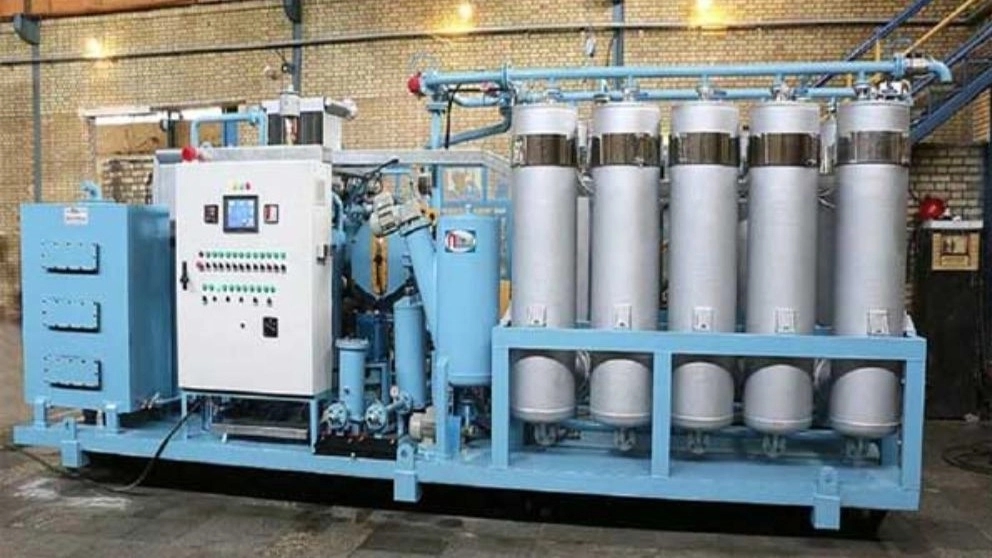
Due to the physical and chemical properties of industrial oils, pollution and particles are suspended in them and may be transferred from one point to another and from one equipment to another connection. Abrasive particles enter the gaps and tolerances from improper ventilation and insulation and lead to wear, corrosion, sticking, leakage, etc. In most cases, the oil filters on the devices are designed for normal conditions and away from any pollution, and if the pollution is excessive, they will not have the necessary quality and efficiency. and they will need to be replaced, and because they lead to damage to different parts, they should be removed from the system. According to studies conducted in this field, more than 70% of the failures of systems in which Industrial oils and lubricants are used, it happens due to oil contamination. This shows the important application of the industrial oil purifier.
Oil treatment steps
To refine crude oil, we have to do several steps to obtain pure oil. These steps are: 1. The stage of de-stepping the oil 2. The stage of neutralizing the free fatty acid of the oil 3. Oil painting 4. Smelling the oil
Oil
In this stage of oil purification, we clean the oil from its gums. Degrading the oil itself is divided into two stages. 1. Degradation stage with water 2. Degradation step with phosphoric acid and citric acid
After producing the oil and using it for the best possible use of the devices, your oil should be refined and degradated. In the step of de-stepping with water, we first mix the oil with water. The amount of water should be enough for the gum in the oil to mix well with water. The gum or gum has the necessary ability to mix with water, so they are removed from the oil with the help of centrifugal force. Part of the step which is in the form of magnesium and calcium solutions, it is not possible to remove and clean the oil with water during purification, that's why we use acid. We heat it to 150 centigrade, then we add one to two tenths of phosphoric acid, which has a concentration of 75%. Then, with vigorous stirring and considering the necessary time, the other steps in the oil are removed.
The oil -neutralization phase of free fatty acid oil
In this step, first we measure the amount of free fatty acid in the oil and then we calculate the amount of soda that is necessary for neutralization. We add it. The fatty acids in the oil turn into insoluble soaps and are removed from it. If necessary, we repeat this stage of oil purification once more to remove all free fatty acids from the oil. Then we wash the oil with hot water and related centrifuges. We remove the non-soluble soaps from the oil and then dry it in a vacuum, then continue with the oil purification stage. In this stage of oil purification, all the free fatty acids and the remaining steps The residue in the oil, the pigments in the oil and other impurities are removed from the oil. All these impurities are either removed by the oil introduced into the oil, or they are destroyed by soap.
Oil color
As we mentioned in the article on neutralization of free fatty acids, most of the colored substances of the oil are removed from the oil at this stage. Color clay, which is a type of hydrated aluminum silicate, is used to complete decolorization and remove all colored substances in the oil. In this stage of oil refining, first, in vacuum conditions, the oil is mixed with colored soil. After combining the necessary amount and passing the appropriate time, the oil is cooled, and then the colored soil, which has absorbed color with pigments, is separated from the oil with the help of filtration. At this stage, only the pigments are removed from the oil. In addition to these, a large amount of metals with the oil, which are effective in shortening the life of the oil, are removed from the oil along with the rest of the remaining steps and the effects of soaps. This stage of oil purification has a constructive role in refining and cleaning the impurities in it.
Oil smell
This stage of oil purification includes cases of volatile and odorous compounds in the oil that are naturally present in the oil or its formation was caused by oxidation. do This stage is called oil smelling stage. The taste that has affected the oil during the oil refining process, like the taste of soil, is removed during the oil smelling stage. To perform this stage of oil purification, it is heated in a vacuum and at a high temperature, and then the oil is passed through water vapor. The volatile compounds mentioned in this section are removed from the oil with the help of this water vapor.
High heat, deep vacuum and proper time are effective in removing volatile substances. In the next step, we cool the oil and add citric acid to remove other metals remaining in the oil. We add antioxidants to preserve the oil from oxidation. Then we pass our oil through the last stage of filtration and then we pack it in the desired shape and size. The work houses whose job is to prepare and refine oil, with the help of expert experts and new equipment, provide the best conditions for oil refining according to existing standards. Sellers in their stores and consumers of oil should provide good conditions for preserving oil, so that the quality that is the result of the oil producer's efforts is not lost.